5 YEARS LATER. STILL RUNNING.
5 YEARS LATER. STILL RUNNING.
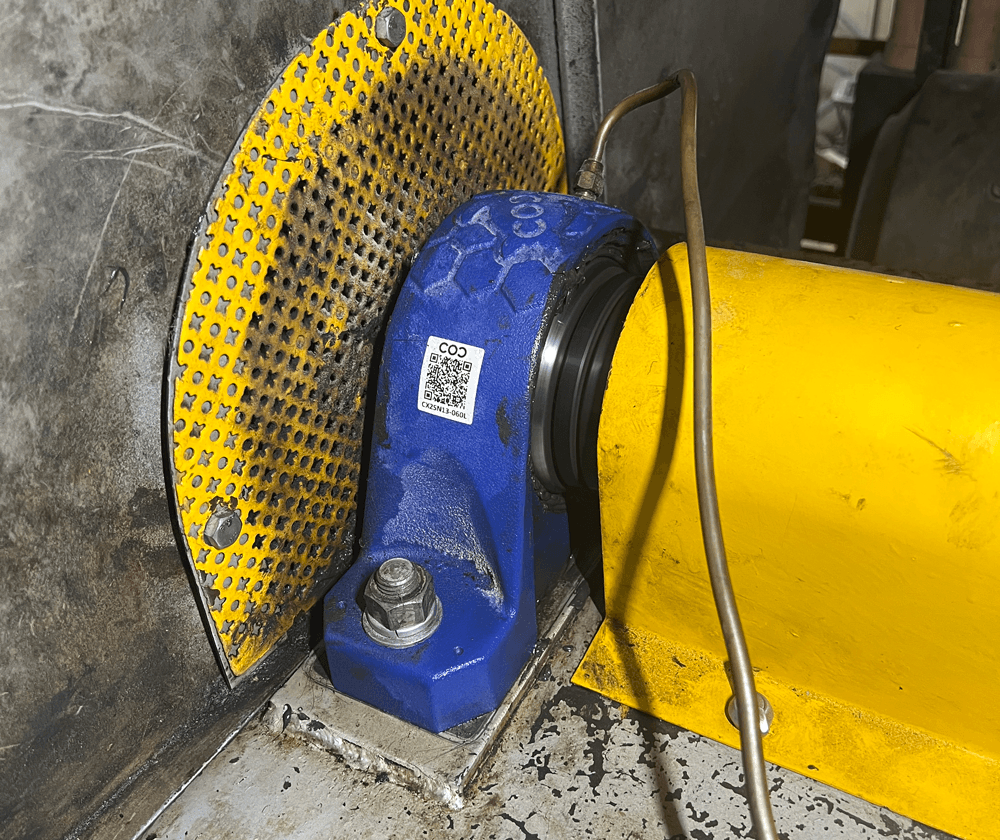
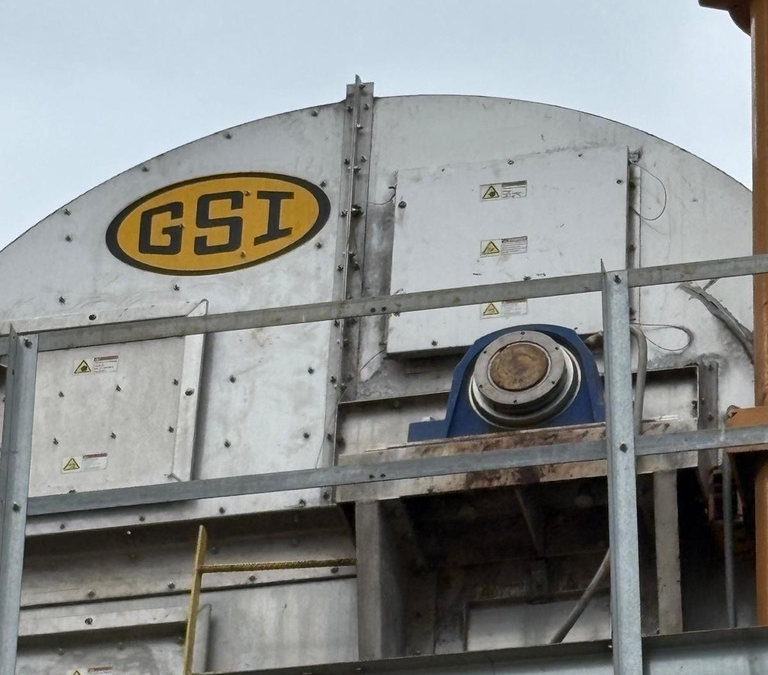
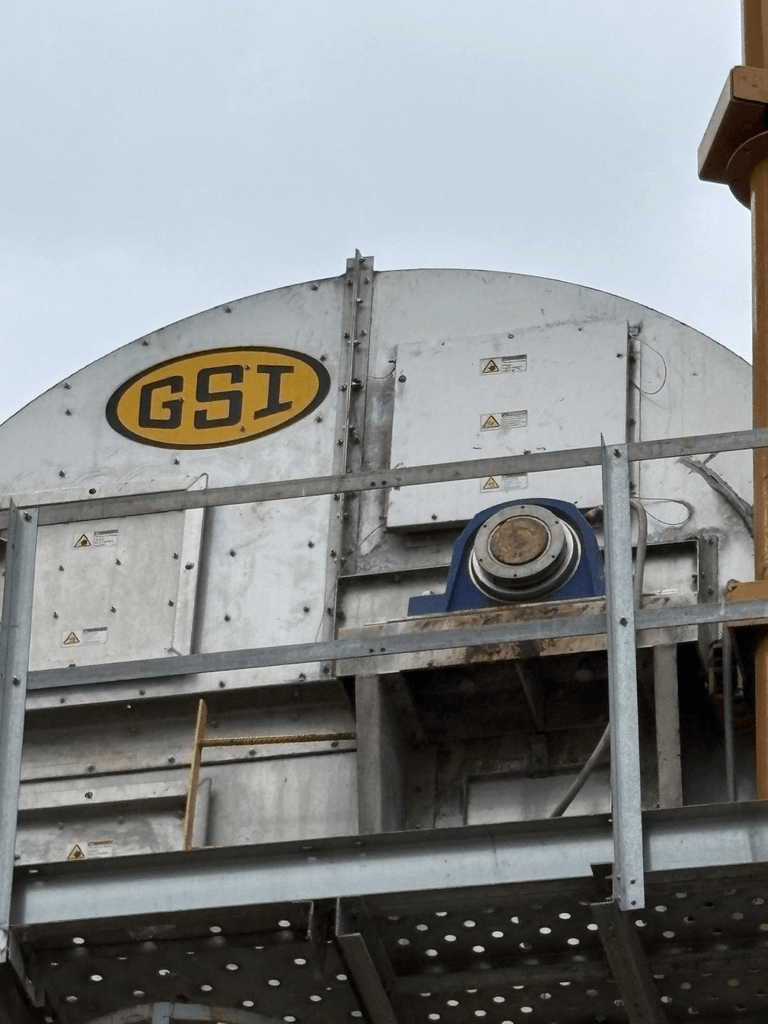
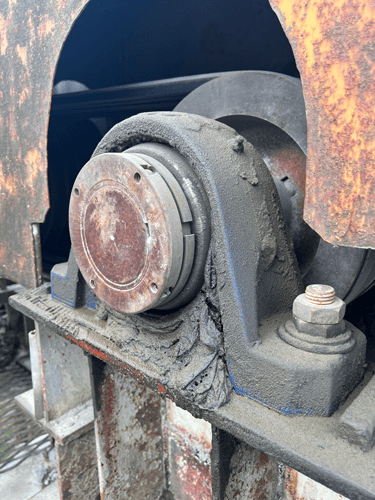
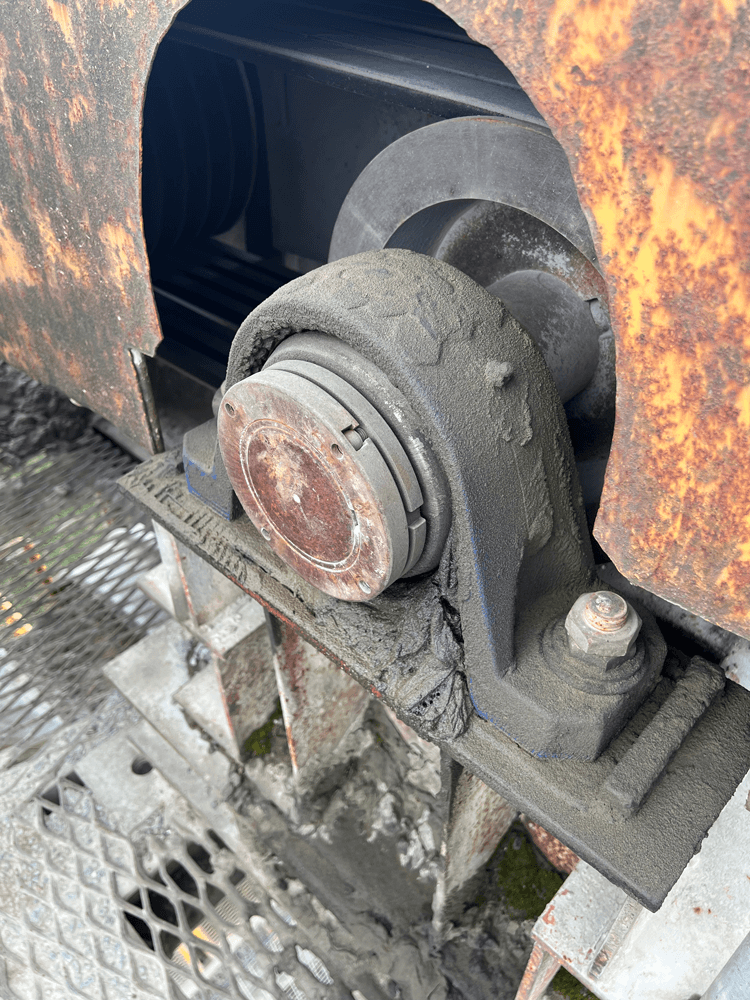
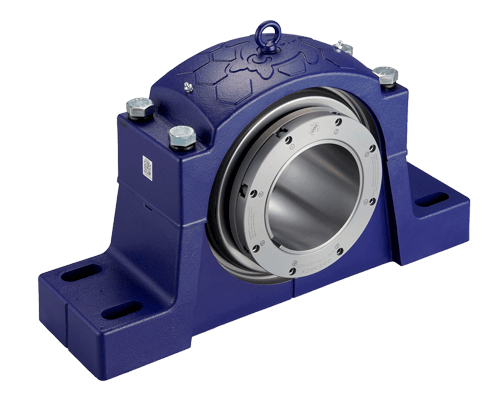
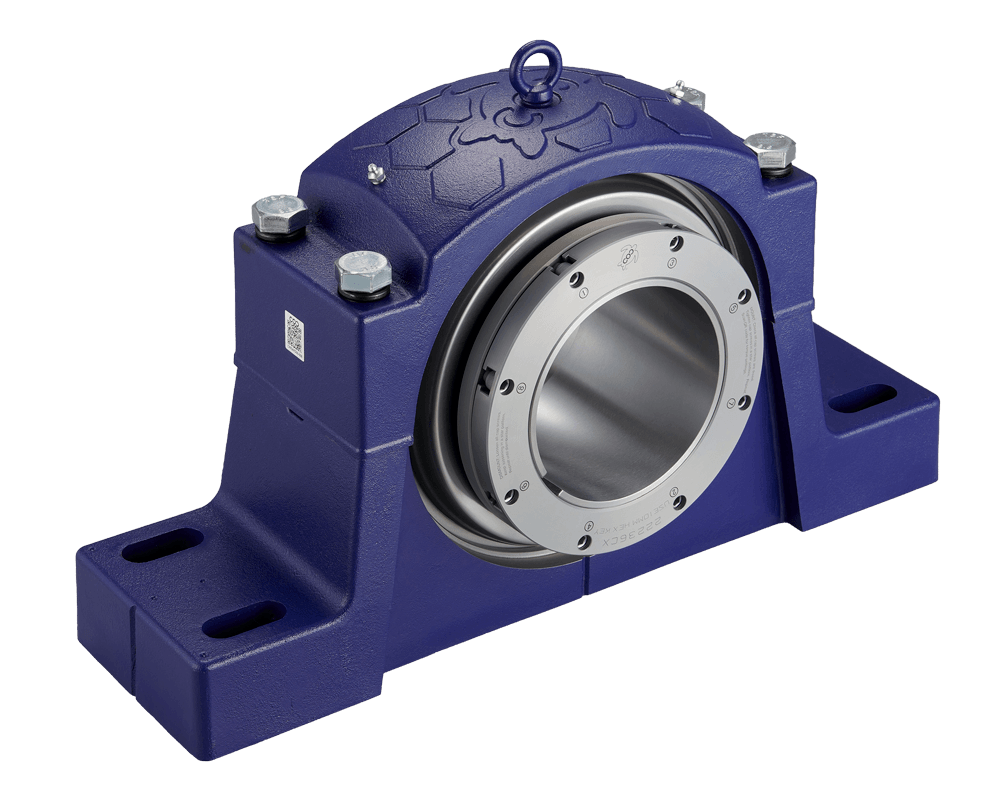
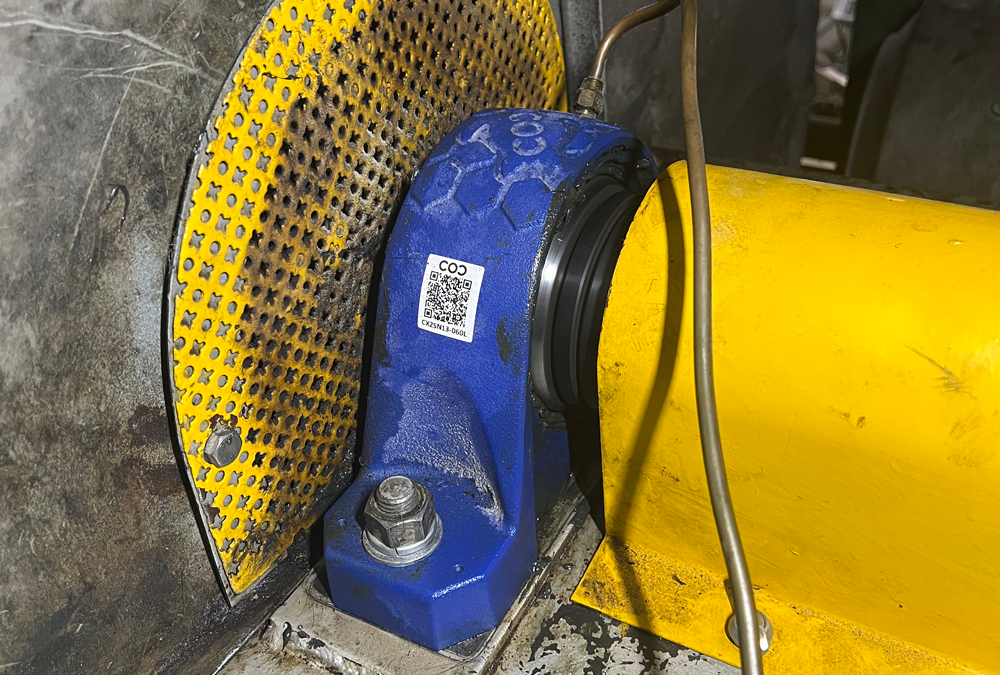
CX2SN13-060L installed at the same plant in June 2021, also operating without replacement for more than five years.
A Follow-Up to Our 2021 CROSSLOC® Installation Case Study
In October 2021, we published a case study about a steam blower fan at a textile manufacturing plant in Japan, where conventional plummer block bearings had been experiencing high operating temperatures and frequent maintenance.
The original bearing units reached temperatures of up to 100°C (212°F), requiring time-consuming grease replacement and cleaning.
After switching to COC CROSSLOC® CX2SN15-065L units in June 2021, operating temperatures stabilized between 65°C and 80°C (149–176°F).
Now, more than five years later, we have received an update from the same customer.
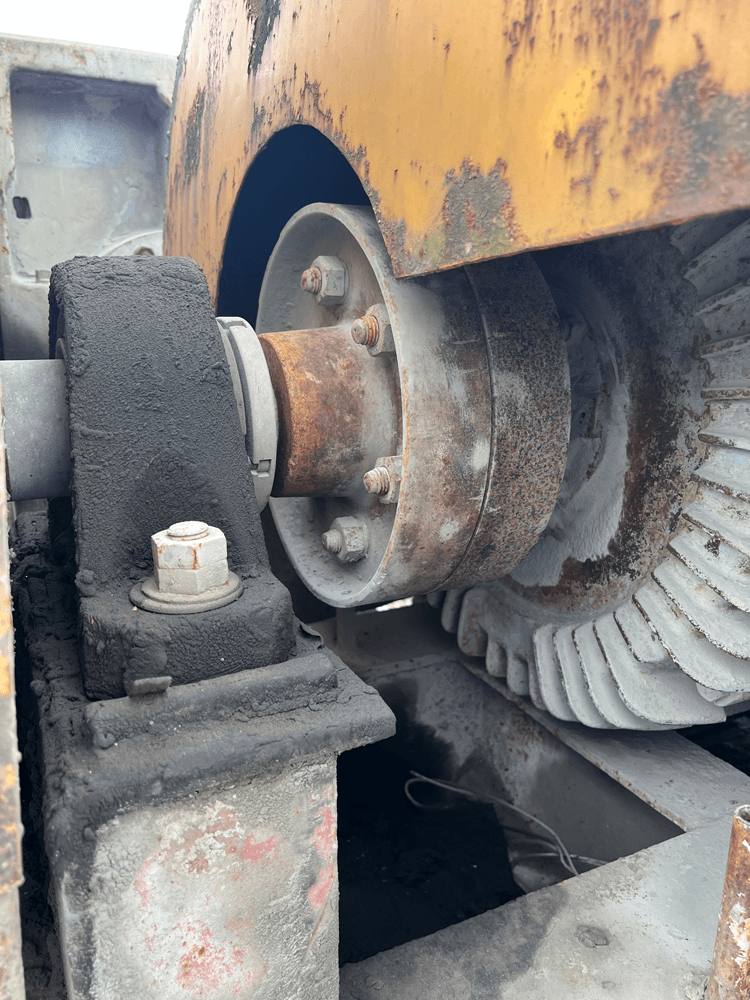
The two COC CROSSLOC® units are still running at 1,900 rpm, with no bearing replacements since installation.
The fan operates 24 hours a day, approximately 25 days per month — representing more than 38,000 hours of operation over the past five years.
Monthly greasing and routine inspections continue, with no abnormal temperature rise, noise or vibration reported.
Five Years Without Replacement
According to the customer, conventional plummer block bearings installed on other similar equipment at the same plant require replacement approximately every two years due to temperature increases or vibration.
In contrast, the COC CROSSLOC® units have now operated for more than five years without replacement.
Another COC CROSSLOC® unit, CX2SN13-060L, installed at the same plant around the same time, has also been operating for more than five years without replacement.
The customer reports that eliminating these bearing replacements has significantly reduced maintenance work and has been a major benefit to their operations.
Based on this long-term performance, the plant is now planning to introduce COC CROSSLOC® units on additional equipment.
Actual footage of a COC CROSSLOC® CX2SN13-060L bearing unit operating at 1,840 rpm after more than five years of service.
Proven Performance Over Time
The original 2021 case study demonstrated how CROSSLOC® helped stabilize operating temperatures and simplify maintenance.
Five years later, the same installation continues to demonstrate the long-term value of reliable bearing performance.
No bearing replacement. Less maintenance. More uptime.
And both units are still running.
Application: Steam blower fan
Bearing units: CX2SN15-065L × 2 / CX2SN13-060L x 2
Operating speed: 1,900 rpm / 1,840 rpm
Installed: June 2021
Operating schedule: 24 hours/day, approximately 25 days/month
Maintenance: Monthly greasing and condition monitoring
Current status: More than five years without replacement — still running.
Read the original 2021 installation case study:
Case Study: CX2SN15-065L (October 5, 2021)